
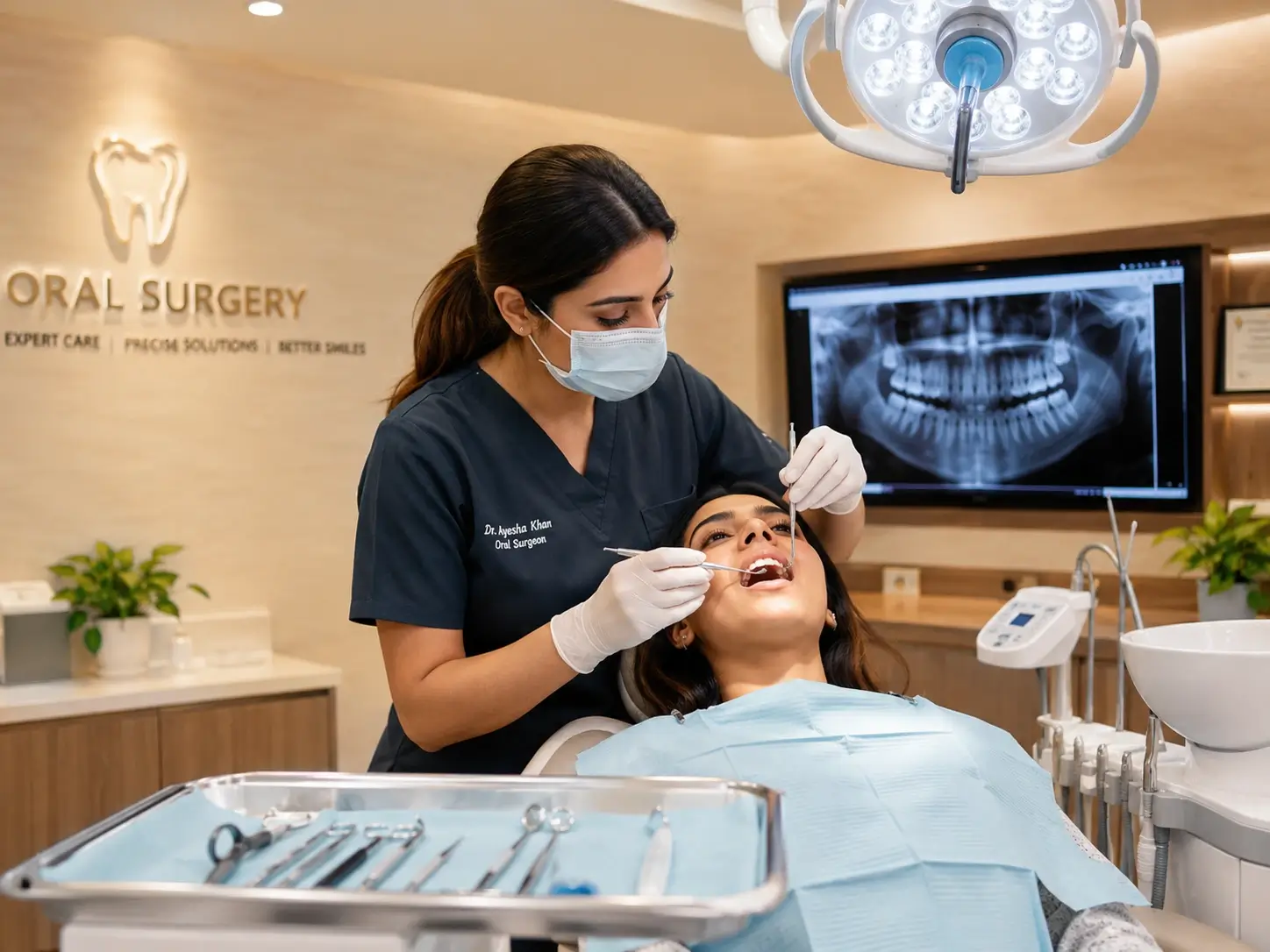
Oral surgery includes dental procedures that may be needed when a tooth cannot be treated with routine restorative care or when a surgical approach is required. At Venn Dental, every surgical treatment begins with a detailed assessment to understand the condition of the tooth, surrounding tissues and your overall oral health.
Depending on your individual needs, treatment may include simple or surgical tooth extraction, wisdom tooth removal or selected minor oral surgical procedures. The recommended approach is explained before treatment so you understand what to expect.
Oral surgical treatment may be recommended to relieve pain, manage damaged or problematic teeth and address dental conditions that cannot be treated adequately with routine procedures.
The need for oral surgery depends on your dental condition, symptoms, X-ray findings and overall treatment plan.
A simple extraction may be recommended when a tooth is visible and can be removed without a more complex surgical approach.
A surgical extraction may be required when a tooth is broken, impacted or difficult to access using a routine extraction technique.
Wisdom teeth may require removal if they are causing pain, swelling, repeated infection, decay or other dental concerns.
Selected minor surgical procedures may be recommended depending on your dental condition and treatment needs.
Wisdom teeth do not always need to be removed, but an assessment may be recommended if they are causing symptoms or affecting surrounding teeth and gums.
Possible signs:
Small note:
These symptoms can have different causes, so a dental examination and appropriate imaging may be needed before treatment is recommended.
Following the dentist’s instructions after treatment can support healing and help reduce the risk of complications.
General points:
Important note:
Aftercare instructions can vary depending on the procedure, so always follow the specific advice given by your dental team.
Oral surgery includes dental procedures involving the removal or surgical treatment of teeth and surrounding oral tissues.
A surgical extraction may be required when a tooth is impacted, badly broken, difficult to access or cannot be removed using a routine extraction technique.
No. Wisdom teeth are usually assessed individually. Removal may be considered if they cause pain, repeated infection, decay, damage to nearby teeth or other problems.
Recovery time varies depending on the type of extraction, the tooth involved and the individual patient. Your dentist can provide more specific guidance after the procedure.
Yes. You will be given guidance on caring for the surgical site, eating, oral hygiene and any medications that may have been prescribed.
Contact the clinic if your symptoms are worsening, if you develop significant swelling, persistent bleeding, fever or other concerning symptoms.
You may be advised to eat softer foods for a period after treatment and avoid chewing directly on the surgical area. Follow the instructions provided by your dentist.
Not always. Some wisdom teeth can be removed using a simple extraction, while others may require a surgical approach depending on their position and condition.
We always take care of your smile
0321 9729883
Comprehensive dental care focused on your oral health, comfort and individual treatment needs. From routine check-ups to cosmetic dentistry, dental implants and oral surgery, we’re here to support healthier, confident smiles.
© Venn Dental 2026 All right reserved.